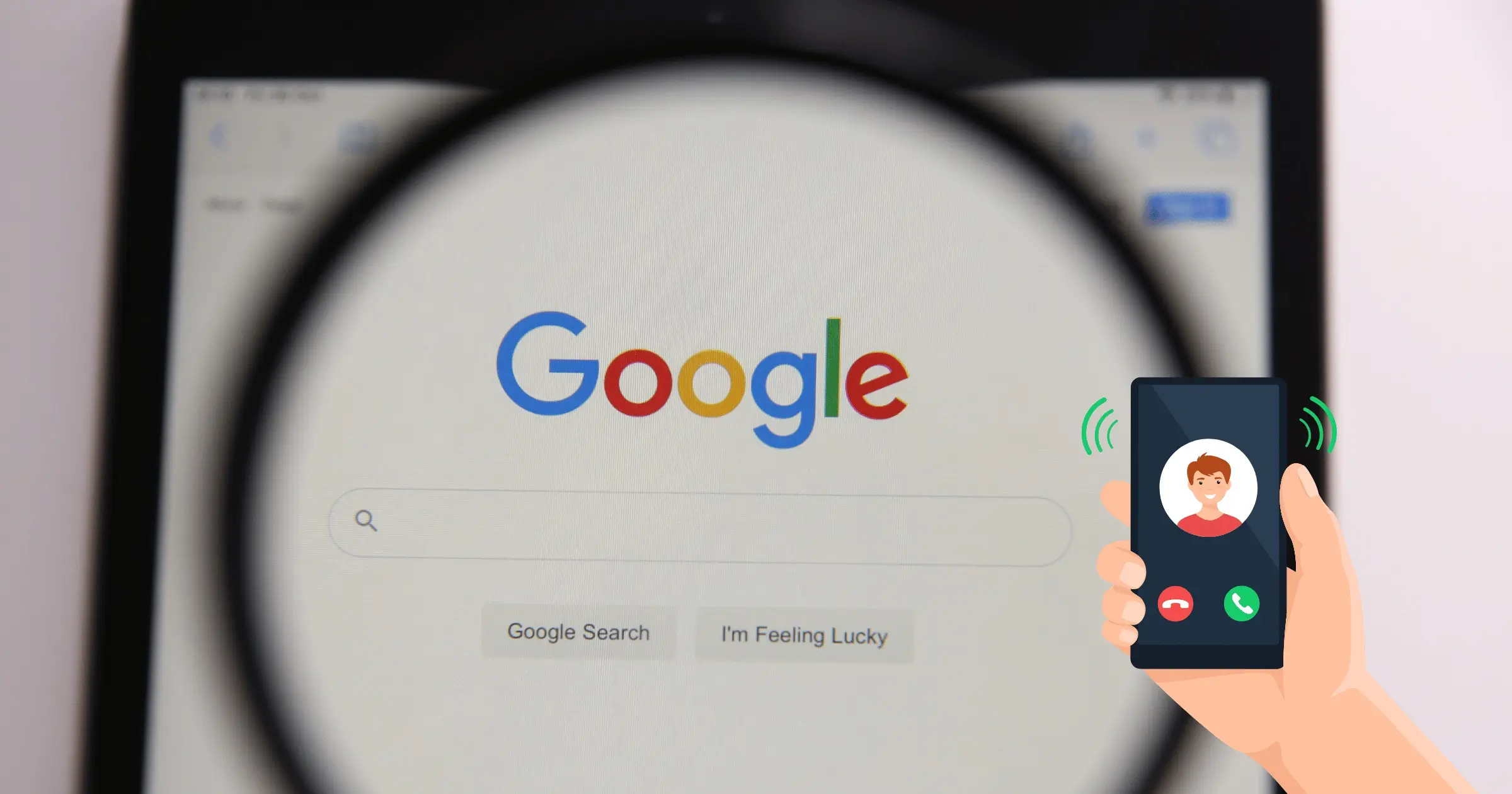

Choosing between Google Ads and Meta Ads can be difficult when your business has a limited advertising budget and little room for wasted spend. Many business owners want to know whether Google Ads or Meta Ads is more likely to generate leads, sales or enquiries, but there is no universal answer. The two platforms reach potential customers in different ways and can play different roles in a digital advertising strategy.
Google Ads can be particularly effective when people are already searching for a solution. Meta Ads can be particularly effective when a business needs to build awareness, create demand or reach potential customers before they actively search. Neither platform is universally better.
The more useful question is not simply which platform has better results. It is where your customers are in their decision-making journey and which platform is best positioned to reach them at that point. That depends on existing demand, the product or service, the buying cycle, available budget, creative assets and how effectively conversions can be tracked.
What Is the Main Difference Between Google Ads and Meta Ads?
The fundamental difference between Google Ads and Meta Ads is how businesses can reach potential customers.
Google is predominantly intent-driven. Someone searching for “emergency plumber Brisbane”, “new home builder near me” or “forklift training course” is actively expressing a need. That search can provide a valuable opportunity to appear when the person is researching options and may be closer to making a decision.
Meta is predominantly audience and discovery-driven. Facebook and Instagram allow businesses to introduce products, services and offers using a combination of audience signals, customer data, creative and Meta’s automated delivery systems, even when those people are not actively searching for what the business provides.
Google advertising and Facebook advertising are therefore often solving different problems. One can capture existing demand, while the other can help create or develop demand.
That distinction is useful, but it should not be treated as an absolute technical definition. Both platforms now use sophisticated machine learning, audience signals and automated campaign systems. The practical difference is more about the way businesses can reach customers and the type of customer behaviour each channel can support.
When Google Ads Makes More Sense
Google Ads may deserve priority when there is established demand for a product or service and customers actively search for it.
This can be particularly relevant to trades, professional services, training providers, home services and other businesses where customers identify a problem and then look for a provider. Someone searching for an electrician, accountant or commercial cleaning company has already taken a step towards finding a solution.
That makes Google a valuable channel for capturing demand. Businesses can target relevant searches and direct potential customers towards appropriate landing pages, service information or enquiry forms.
Search intent can also be valuable when the need is urgent. A person searching for emergency plumbing or air conditioning repairs is likely to be further along the decision-making process than someone who has simply encountered an advertisement while browsing social media.
There is a limitation, however. Google Ads competes for existing demand. In competitive industries, valuable searches can attract significant competition and higher costs per click. A business can also generate traffic without generating commercially useful enquiries if its targeting, campaign structure, landing pages or conversion tracking are weak.
Google Ads is therefore not simply a matter of appearing at the top of search results. The quality of the traffic, the experience after the click and what happens to the enquiry all matter.
Where Meta Ads Can Add Value
Meta Ads may deserve greater priority when a business needs to reach potential customers before they are actively searching for a product or service.
This can suit visually appealing products, lifestyle businesses, events, new brands and offers that customers may not know to search for. Facebook and Instagram provide opportunities to communicate an idea, demonstrate a product, tell a story or introduce an offer to a relevant audience.
Meta can also be useful for businesses with longer consideration cycles. Someone may see an advertisement, visit the website and leave without taking action. That interaction can still form part of the buying process, particularly when the person later returns through another channel.
Effective Meta advertising involves considerably more than boosting a social media post. Campaign strategy, audience signals, creative testing, conversion tracking and ongoing optimisation all influence performance. Creative is particularly important because the advertisement needs to earn attention while someone is using a platform for reasons unrelated to buying.
Lead quality also needs to be considered. A campaign that produces inexpensive leads is not necessarily successful if those enquiries rarely become customers.
Google Ads vs Meta Ads for Lead Generation
Lead generation is one area where comparing Google Ads and Meta Ads purely on cost per lead can produce the wrong conclusion.
A Google campaign might generate fewer leads at a higher cost, but those enquiries could come from people with a strong and immediate need. A Meta campaign might produce more leads at a lower cost, but the business may need to qualify a greater proportion of those enquiries before identifying genuine opportunities.
That is not a rule that makes Google better for lead generation or Meta better for volume. Either platform can produce high-quality or poor-quality leads depending on the market, campaign strategy, targeting, offer and execution.
The more useful measures extend beyond cost per lead. Businesses should consider qualified leads, lead-to-customer conversion rates, sales or enrolments, customer acquisition cost and revenue. Where reliable tracking is available, return on advertising spend can also provide a stronger indication of commercial performance.
The cheapest lead is not necessarily the best lead. A higher cost can be justified when the resulting customers are more valuable.
Advertising With a Limited Budget
A limited budget does not automatically mean the spend should be divided between Google and Meta.
Splitting a small budget across multiple platforms can make it difficult for either campaign to gather enough data or generate meaningful results. In some situations, concentrating the available budget on one channel is the more sensible starting point.
If customers already search for the products or services a business provides, Google may deserve the initial focus because it can capture existing demand. If the business needs to create awareness and has a strong visual proposition, Meta may be more appropriate.
There is no fixed percentage that every business should allocate to each platform. The decision should reflect the market, customer behaviour, competition and available evidence.
Once a campaign is generating reliable results and additional budget is available, a second platform can be introduced to support another part of the customer journey.
Using Google Ads and Meta Ads Together
Using Google Ads and Meta Ads together can be effective when the business and budget justify a multi-channel approach.
A potential customer might first see a Meta advertisement, become aware of a business and visit its website. They may leave, compare alternatives and later search Google for the service. They could then click a Google advertisement before eventually making an enquiry or purchase.
The reverse can also happen. Someone may discover a business through Google, leave the website and later encounter its Meta advertising while continuing to consider their options.
This is why judging every channel only by the final click can provide an incomplete view of performance. Different channels can contribute at different points in the decision-making process.
Using both does not mean dividing the budget equally. Each platform should have a defined role, and investment should be adjusted according to performance, customer behaviour and the commercial outcomes being generated.
The Role of ChatGPT Ads in Digital Advertising
AI-driven platforms are becoming another part of how people research products, services and businesses. ChatGPT can help users compare options, explore solutions and make decisions, creating a new environment for advertisers to reach potential customers.
ChatGPT Ads is now available to Australian advertisers through OpenAI’s Ads Manager Beta. Unlike traditional keyword-based search advertising, ChatGPT Ads can use the context and intent of a conversation to help determine when an advertisement may be relevant.
ChatGPT Ads should be considered alongside established channels rather than as a replacement for Google or Meta. The broader change is that customer discovery is becoming more fragmented across search engines, social platforms, websites and AI conversations.
Businesses therefore need to understand how their customers actually research and evaluate solutions, then determine which advertising channels have a meaningful commercial role rather than simply following whichever platform is receiving the most attention.
Choosing the Right Advertising Platform
The most reliable channel decisions come from looking at what is happening within the business and its market. Search demand, customer behaviour, buying cycles and previous campaign performance can reveal where advertising has the greatest opportunity to influence a customer.
Existing search demand is one of the clearest indicators. If customers regularly search for the products or services a business provides, Google can capture that demand at a point when potential customers are actively looking for a solution. Where the offering is less likely to be searched for directly, Meta can provide more opportunity to introduce the product or service, build awareness and reach relevant audiences earlier in the buying journey.
The nature of the offer also matters. Visually compelling products and services may benefit from the creative formats available across Meta, particularly where imagery or video can communicate value quickly. More problem-driven or location-specific services may have stronger opportunities through search. The length of the buying cycle should also be considered, as a customer making an urgent purchase may behave very differently from someone researching a high-value purchase over several weeks or months.
Budget and customer value then help determine how much room there is to test and scale each opportunity. A limited budget may be better concentrated on one channel rather than spread too thinly across several platforms. At the same time, a higher advertising cost can be commercially viable when the customers generated are more valuable. Cost per click or cost per lead should therefore be considered alongside lead quality, conversion rates, customer acquisition cost and revenue.
The experience after the advertisement is just as important. Landing pages, offers, enquiry processes and conversion tracking all influence whether advertising activity turns into meaningful business results. A campaign generating a high volume of clicks or leads may still perform poorly if those people do not become qualified opportunities or customers.
Previous performance data can provide further direction. Historical campaign results, website analytics, conversion rates, sales data and lead quality can help identify which channels have already demonstrated potential and where there may be opportunities to improve. Rather than relying on a generic rule about which platform is better, these factors provide a more practical basis for determining where advertising investment should go.
How Overt Digital Marketing Approaches Channel Selection
At Overt Digital Marketing, channel selection starts with the business rather than the advertising platform.
Our team considers the business model, customer journey, existing demand, market competition, historical advertising performance, website and landing page performance, tracking, creative requirements, available budget and the quality of leads being generated.
That assessment determines whether Google Ads, Meta or a combination of channels deserves investment. It can also identify where the business needs to improve before increasing advertising spend. In some cases, the strongest opportunity is not another campaign but a better landing page, clearer offer or more reliable conversion tracking.
Our experience across Google Ads, Meta and social advertising, as well as emerging channels such as ChatGPT Ads, allows us to assess advertising opportunities based on their commercial role rather than treating every platform as interchangeable.
The objective is not to make a platform perform. The objective is to make the client’s advertising investment produce commercially meaningful results.
Build a Paid Advertising Strategy With Overt Digital Marketing
There is no universal winner when comparing Google Ads and Meta Ads.
Google can be particularly effective at capturing existing search demand, while Meta can be particularly effective at building awareness and reaching potential customers before they actively search. For some businesses, concentrating budget on one platform is the better decision. For others, using both can create a stronger overall strategy.
The right approach depends on the business, customer behaviour, market, available budget and performance data.
If you are unsure where your advertising budget should be invested, contact Overt Digital Marketing. Our team can assess your current position, identify the channels most aligned with your customer journey and develop a digital advertising strategy focused on meaningful commercial outcomes.
Frequently Asked Questions
Is Google Ads better than Meta Ads?
Neither platform is universally better. Google Ads can be particularly effective when customers are already searching for a solution, while Meta Ads can be useful for building awareness and reaching potential customers earlier in the decision-making process. The right choice depends on the business, market, customer behaviour and campaign objective.
Is Google Ads or Meta Ads better for lead generation?
Either platform can generate high-quality leads. Google may reach people with stronger existing search intent in some markets, while Meta can generate demand and reach relevant audiences before they search. Lead quality, conversion rates, customer acquisition cost and resulting revenue are more useful measures than lead volume alone.
Which is cheaper, Google Ads or Meta Ads?
There is no universal answer. Costs vary by industry, competition, audience and campaign objective. A lower cost per click or cost per lead does not necessarily represent better commercial value. Businesses should compare the quality and value of the customers generated by each channel.
Should a small business use Google Ads or Meta Ads?
A small business should choose based on customer behaviour and available budget rather than its size. If customers actively search for the service, concentrating budget on Google may make sense. If the business needs to build awareness and has a strong visual proposition, Meta may be more appropriate.
Can I run Google Ads and Meta Ads at the same time?
Yes. Using both can work well when each platform has a defined role. Meta can help create awareness and reach new audiences, while Google can capture people who later search for the business, product or service. The budget does not need to be split equally.
How much should I spend on Google Ads or Meta Ads?
There is no universal dollar amount. A suitable budget depends on factors including typical cost per click, audience size, market competition, conversion rates and the amount of data required to optimise the campaign. The available budget should also be sufficient to generate enough meaningful activity to assess performance.