
Every business owner eventually reaches a point where they must decide whether to keep running campaigns internally or hand the account to a specialist team and redirect that time toward the rest of the business. There is no universal answer, because a small local trades business with a modest monthly budget has different requirements to a national retailer pushing six figures through search and shopping campaigns each month. The underlying decision, however, follows a consistent and recognisable pattern, and experience managing accounts across dozens of industries points to a clear view on when self-management still makes sense and when it begins costing more than it saves.
This article sets out what running Google Ads properly involves, where business owners typically go wrong when they try to manage google ads without the right background, and where a specialist team changes the outcome in measurable ways. The answer is not always to hire an agency. For very new businesses still refining their offer and their audience, self-management can be the appropriate starting point. For most businesses beyond that early stage, the numbers consistently favour bringing in specialist support sooner rather than later.
What Does an Agency Actually Bring to a Google Ads Account?
The term is often used loosely, and many business owners assume it simply describes someone who logs into the account and adjusts bids periodically. That represents a minor fraction of the work involved. A proper Google ads agency manages account structure, keyword research, negative keyword lists, ad copy testing, landing page alignment, conversion tracking, budget pacing, audience layering, and the continuous analysis of performance data from one week to the next.
A Google Ads account works best when treated as an evolving system rather than a campaign built once and left unattended. Search terms shift with the seasons. Competitors enter and exit the auction constantly. Google regularly updates match type behaviour and bidding algorithms, meaning strategies built two years ago can quietly stop working without anyone noticing. These shifts need continuous monitoring, because the platform consistently rewards accounts that adapt and penalises those that do not.
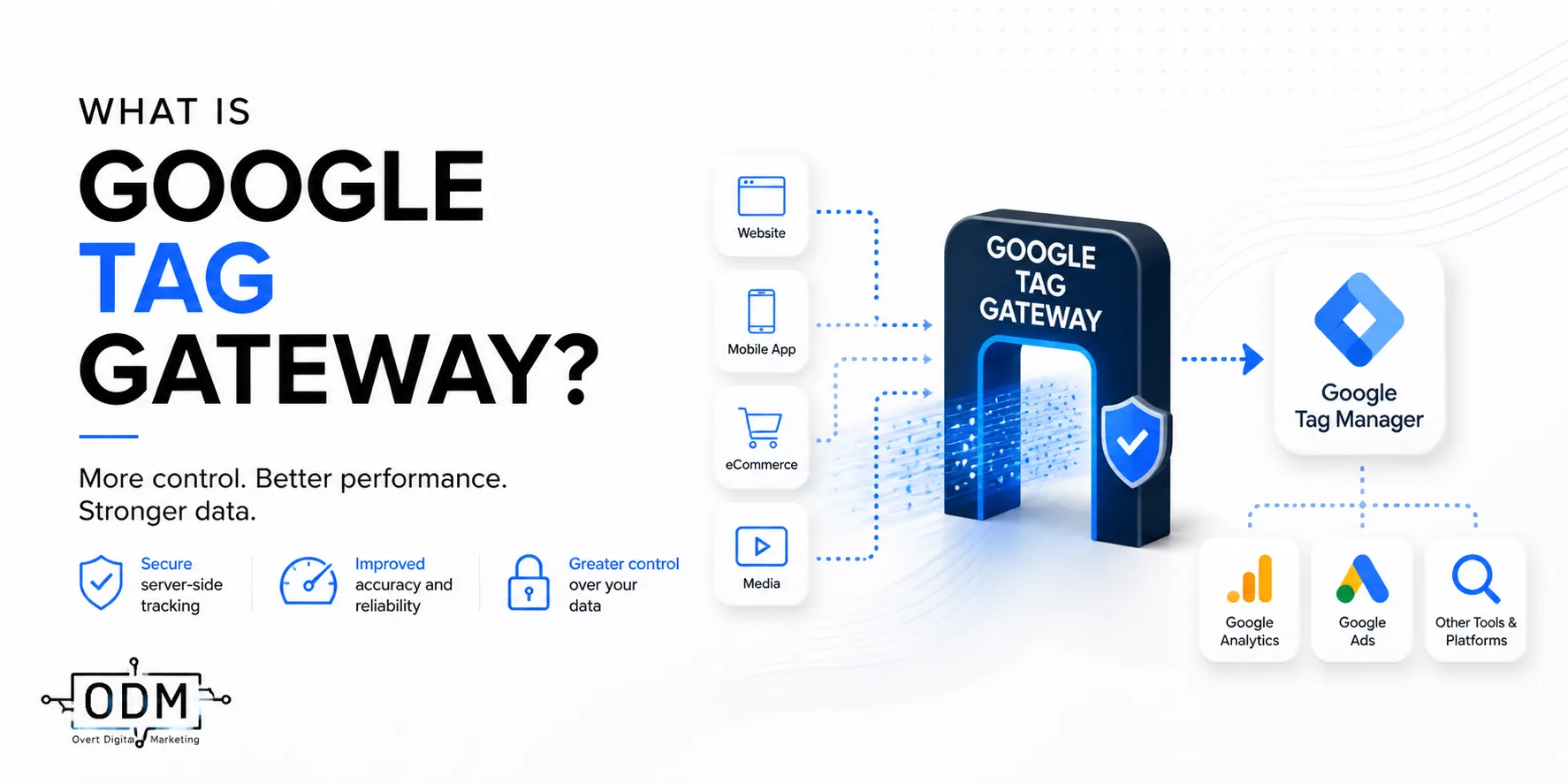
A significant technical layer also sits beneath the surface, one rarely discussed outside the industry. Conversion tracking must be configured correctly, or every subsequent decision is built on flawed data. Enhanced conversions, offline conversion imports, call tracking, and cross-device attribution all require proper setup for the numbers in the dashboard to reflect reality. This is among the most common gaps identified during account audits for new clients, and it is frequently the reason performance appeared weaker than it was.
The Real Cost of Handling Your Own Campaigns
Managing google ads yourself is entirely achievable, and many business owners do so competently, particularly in the early stages when budgets are modest and account structure is simple. The limiting factor is rarely capability. It is time and opportunity cost. Every hour spent adjusting bids, drafting new ad variations, or reviewing search term reports is an hour unavailable for sales, product development, or the strategic decisions only the owner can make.
There is also a steeper learning curve than most anticipate at the outset. Google Ads appears straightforward on the surface, presenting little more than a search bar, a set of keywords, and a daily budget to configure. The auction system underneath, however, is considerably more complex, and small errors compound quickly. Broad match keywords left unchecked can exhaust a weekly budget on irrelevant searches within days. A poorly structured campaign can send Google’s algorithm inconsistent signals about targeting, slowing the learning phase and increasing the cost of every subsequent acquisition.
When a business owner attempts to manage google ads without a background in paid search, the account frequently ends up either underspending on campaigns that were never viable, or overspending on the wrong keywords entirely. Neither outcome advances the business. The interface is designed to feel accessible, which makes it easy to feel confident about decisions that are, beneath the surface, working against performance rather than for it. This is precisely where an experienced google ads agency demonstrates its value, not through undisclosed techniques, but through exposure to thousands of accounts and a working knowledge of which patterns lead to waste and which lead to growth.
Why Google Ads Rarely Performs Well in Isolation
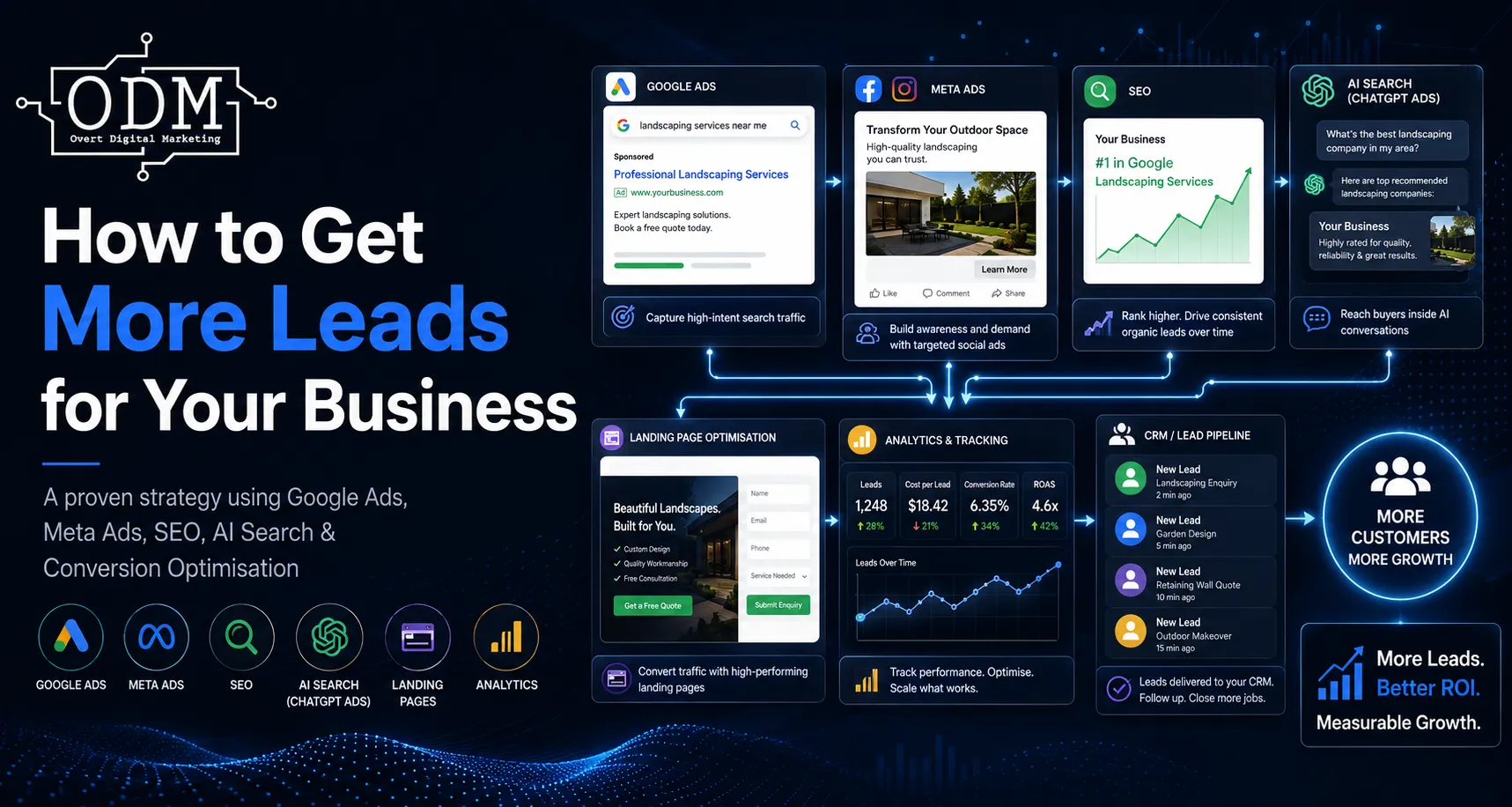
One principle worth understanding early is that Google Ads performs best as part of a broader strategy rather than as a standalone lever. A website with weak structure, thin content, and limited organic visibility will consistently underperform in paid campaigns too, because quality score and landing page relevance directly affect cost per click. This is precisely where SEO intersects with paid performance more than most owners recognise. A site built on strong technical foundations, with relevant content, tends to achieve lower costs per click and higher conversion rates once that traffic reaches the page.
The same principle extends across channels more broadly. Search intent captures people actively seeking a solution in the moment, while awareness and retargeting generally occur elsewhere in the customer journey. Social media and social media ads perform a different function within the funnel, building awareness before a search query is ever typed, or re-engaging someone who visited the site previously without converting. Businesses treating Google Ads as an isolated channel, disconnected from the rest of their marketing activity, tend to plateau relatively quickly. Businesses that integrate it within a broader system tend to sustain growth well beyond that point.
For this reason, effective campaigns are structured with a business’s full marketing ecosystem in view rather than in isolation. A campaign built without reference to the wider customer journey may function on its own terms, but it will rarely approach its actual ceiling.
The Skills and Tools a Specialist Team Brings to the Table
Running paid search effectively requires fluency across several disciplines simultaneously. Copywriting is essential, since ad relevance and click through rate depend heavily on how closely the message aligns with search intent. Data analysis is equally important, since raw figures in a dashboard carry limited value without the ability to interpret trends and distinguish genuine signal from noise.
Genuine insight draws on platforms well beyond the Google Ads interface itself. Google analytics remains significantly underused among businesses managing their own accounts, largely because most owners rarely progress past surface level reporting on visits and bounce rate. Applied properly, it reveals which landing pages convert, where users disengage, and which traffic sources generate genuine revenue rather than low-value clicks. Combined with the data already available inside Google Ads, this makes it possible to base decisions on actual customer behaviour rather than assumption.
Testing infrastructure represents a further area frequently overlooked. A single ad group containing one advertisement with no variation offers limited insight. Structured testing, comparing headlines, descriptions, and calls to action against one another across a meaningful sample size, is how sustained improvement is achieved over months rather than days. Most businesses managing accounts internally lack the volume of time or number of campaigns required to run this kind of testing properly, reflecting competing operational priorities rather than a lack of will. A specialist agency, operating across many accounts concurrently, develops a form of pattern recognition that a single in-house manager working on one account cannot easily replicate, regardless of their individual capability.
Signs It Might Be Time to Bring in Outside Help
There is no universal budget threshold that signals the precise moment to engage specialist support, since this depends on account complexity as much as spend. Several indicators, however, appear consistently among the businesses that eventually seek out specialist support.
The first is time scarcity. Where the person managing the account is simultaneously responsible for operations, sales, and customer service, campaigns typically receive attention only when something visibly fails, rather than the steady, ongoing refinement that drives genuine improvement. The second is plateaued or declining performance despite reasonable spend, which usually indicates a structural issue within the account rather than something resolved through a minor bid adjustment. The third is growth itself. As budgets scale, the cost of small errors scales accordingly, and the margin for trial and error narrows considerably faster than most owners expect.
Google Ads rewards accounts that improve steadily over time, so businesses that delay addressing these indicators often find themselves further behind competitors who engaged support earlier. This rarely presents as a single decisive moment. It tends to be a gradual accumulation of missed opportunities that only becomes apparent in hindsight, once someone finally compares what could have been achieved against what occurred.
What Working With ODM Actually Looks Like
Overt Digital Marketing (ODM) does not apply a templated approach to any account. Before adjusting a single campaign setting, our team audits the existing structure, the conversion tracking setup, and historical performance data to establish precisely what has been effective and what has not. From there, campaigns are rebuilt or restructured around clearly defined commercial goals rather than vanity metrics such as impressions or raw clicks.
Reporting at ODM is designed to be genuinely useful rather than decorative. Clients see the metrics that connect directly to revenue, and our team explains what those figures mean in plain terms rather than industry jargon presented as insight. Communication occurs regularly, not only when a quarterly report happens to fall due, because paid search performance shifts quickly enough that monthly check-ins are often too slow to catch minor issues before they become costly ones.
Our involvement does not end once a campaign is live and performing well. Optimisation continues, and our team treats every account as something that should improve month on month rather than something established once and left unattended. This level of attention is substantially harder to replicate internally unless a business is prepared to hire, train, and retain a dedicated specialist, which for most businesses is neither practical nor cost-effective.
Making the Right Call for Your Business
There is no shortcoming in managing campaigns internally, particularly in the early stages of a business when budgets are constrained and every dollar requires close attention. Many businesses begin there, and some continue successfully for years without needing to change course. As complexity increases, however, so does the value of specialist knowledge, and businesses that recognise this early tend to move ahead of those that continue waiting for a more convenient moment.
ODM has spent years refining the systems, reporting, and strategic thinking that distinguish campaigns that merely operate from campaigns that genuinely grow a business over time. That process is rarely instant, and any agency promising overnight transformation should be treated with a degree of scepticism. Meaningful improvement in a Google Ads account tends to compound gradually, through consistent structural discipline, ongoing testing, and close attention to what the data indicates month after month.
Whether you are considering specialist support for the first time, or have previously engaged an agency that overpromised and underdelivered, our team welcomes a direct conversation about what your account requires. Contact Overt Digital Marketing today and let our team demonstrate what a properly managed Google Ads strategy can achieve for your business.
By Manesh Ram, Digital Marketing Specialist. Please follow @maneshram & Meta